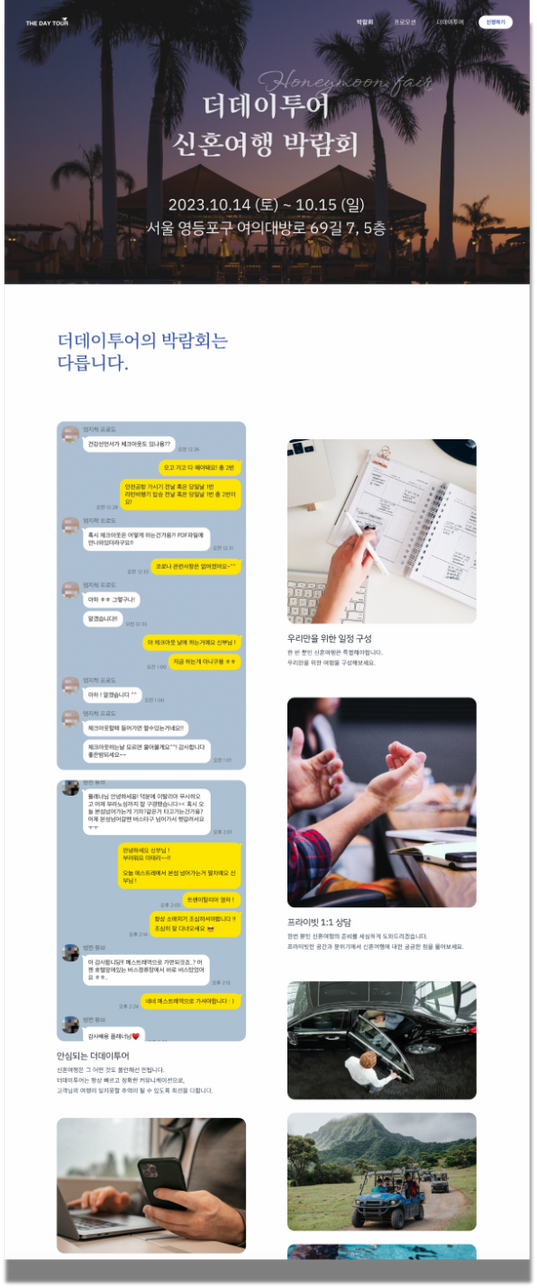
Web & brand D15
 Construction brand website with video and parallax
Supplied product screens · sample data
Build company websites, member services, booking flows and the tools to manage them
Separate public content from protected operations. Connect publishing, accounts, payments and inquiry notifications to explicit API and database states.
Before listing features, we define the inputs, decisions and next actions in a real working situation.
An illustrative scenario. Specific processing rules are agreed for the project.
A visitor explores a service and asks for a consultation.
Prepare a request record and a team notification
When customers need to discover your business, apply, purchase or book online
Specific features, integrations and operating support are agreed in the project proposal
See the scope, role and supplied interfaces for each project
Details for technical reviewers. Architecture and acceptance criteria are agreed for the actual environment and project scope.
Public requests can be served from cache; authenticated requests reach the application. The example commits an inquiry and its notification event together, then lets a worker retry external delivery.
Concrete design decisions and acceptance scenarios to agree for the project.
ImplementationDraft, approval, publication, and route invalidation
ValidationPrivate-draft denial and post-publication cache refresh
ImplementationRequest IDs, database constraints, and delivery outbox
ValidationDouble-clicks, provider timeouts, and webhook replay
ImplementationCorrelation IDs, error classes, and recovery states
ValidationDistinguish invalid input from provider outages
Technology choices and acceptance criteria depend on discovery, integrations, and agreed scope. We define reproducible acceptance scenarios and handover evidence for the operating environment.
From visible features to failure conditions,
we work through the decisions before launch.
For infrequently changed public pages, assess static generation and CDN caching; for personalized or protected routes, assess server processing. Include locale and publication version in cache design and exclude authenticated responses from shared caches. Define the sequence between a CMS publication, origin updates, and invalidation so editors and visitors see a consistent release.
Define request and response schemas, server-side validation, and authorization together. Use unique constraints, foreign keys, and transaction boundaries to control duplicates and invalid references. Recheck permissions at the API even when the interface hides an action. Integration contracts include timeout behavior and actionable error codes, rather than exposing provider failures directly to users.
Account for the dual-write failure in which a request is saved but its email is not sent. Where appropriate, a transactional outbox commits the request and delivery intent atomically. Workers apply backoff, retry limits, and an operator-review state. Validate webhook signatures over the original payload, freshness, and event identifiers; retries must remain safe even when delivery occurs more than once.
Set page-specific budgets for loading, interaction, and layout stability using LCP, INP, and CLS. Check keyboard paths, understandable form errors, localized URLs, canonical and hreflang metadata, and image dimensions. Distinguish lab measurements from field data. Treat sign-in, submission, and content publication as regression scenarios, with acceptance conditions agreed before implementation.
Understand your goals, workflows, and operating environment.
Define features, priorities, and integration requirements.
Build the agreed scope and review progress together.
Prepare testing, deployment, and operational handover.
Tell us what you want to build or improve
Our team will review your request and reply by email